







In-house manufacturing and OEM: Benefits and risks?
If you think OEM is as simple as placing an order and receiving the product, wait. When sales are small, everyone is happy. But when you start to grow, there are partners who will be willing to "turn their backs" on you. They will take the same formula they are making for you, attach a different brand and then offer it to your customers - with the introduction "I am the manufacturer for Dh Foods, and I do it cheaper."
Self-production means you have to invest in building a factory, managing the production process and controlling product quality from start to finish. This brings great autonomy but comes with significant financial and human resources costs. In the start-up phase, when capital is limited, ideas are untested and products may not really be suitable for the market, this is a problem that needs to be carefully considered.
Shark Phu once shared: "The initial product often has to be adjusted many times, including the name." So do you have enough resources to continuously change and improve?
.png)
Becoming an OEM – Advantages for Startups, But Risks Always Exist
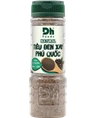
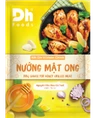
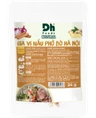
Because of the initial lack of capital and staff, right from the start, Dh Foods chose the OEM form, which means cooperating with processing partners according to its own direction.
You should look for companies with excess production capacity, and make the cooperation proposal clear. Contracts need to be carefully negotiated, especially the terms to avoid the partner producing for competitors or, more seriously, developing its own brand with the same product line. (If the partner already sells that product line, it is a different story.)
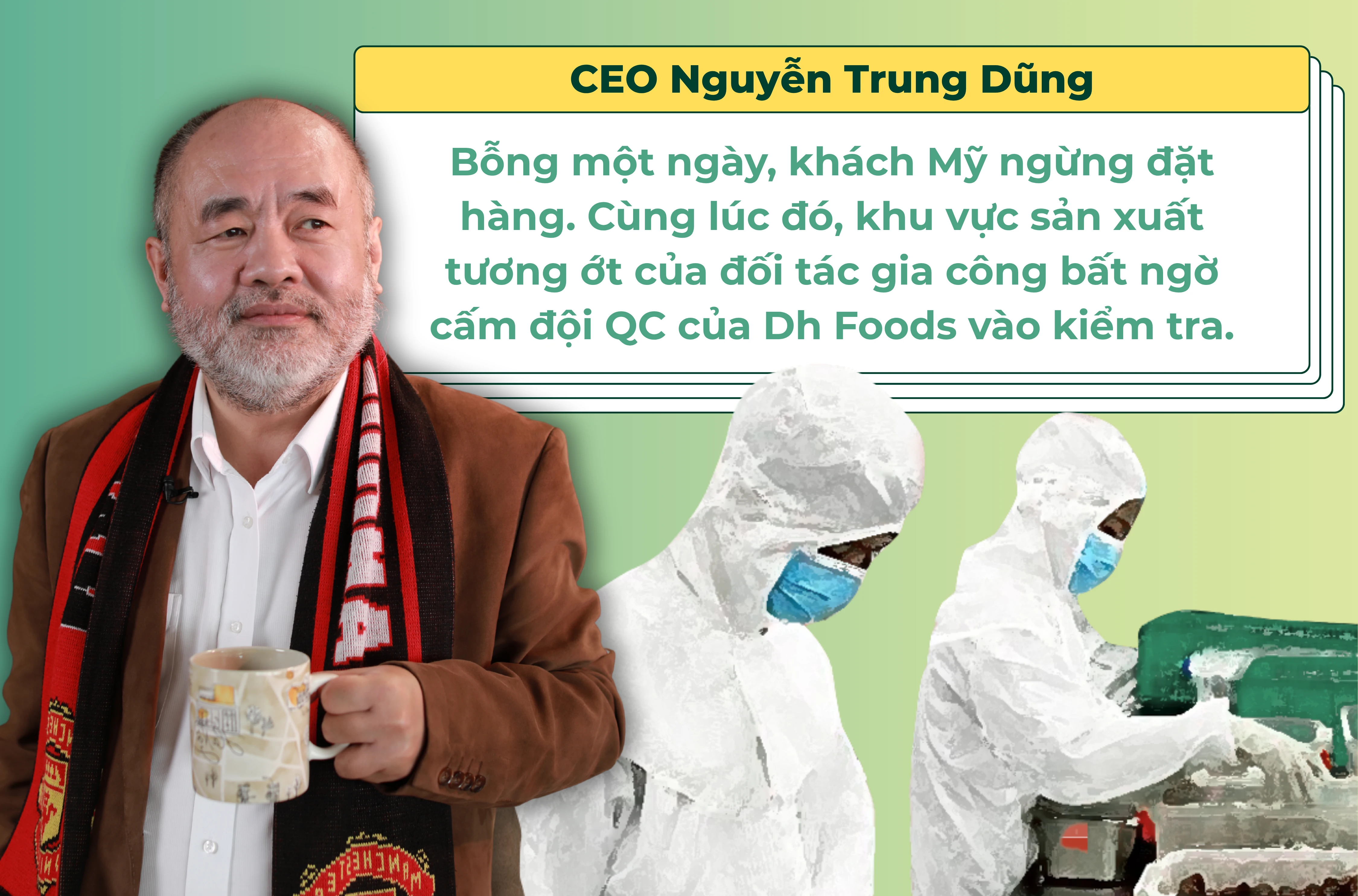
I always pay attention to this to avoid potential conflicts. However, as I shared in the series “Starting a business at 50”, when sales are small, everything is smooth, but when sales increase, conflicts easily arise. There are partners who say directly: “Your private label products must be better than the ones I make for you.” Or worse, they bring the products they are processing for Dh Foods to approach our customers and brag that they are the manufacturers – and they can make them cheaper and better.
Despite many difficulties, Dh Foods still prioritizes negotiations in the form of OEM - exclusive processing, because we understand the importance of protecting the brand, raw material areas and separate supply chains. For areas that do not have advantages, we continue to seek and expand processing cooperation.
.png)
Important Lesson: A Reliable Partner Is More Important Than A Cheap Price
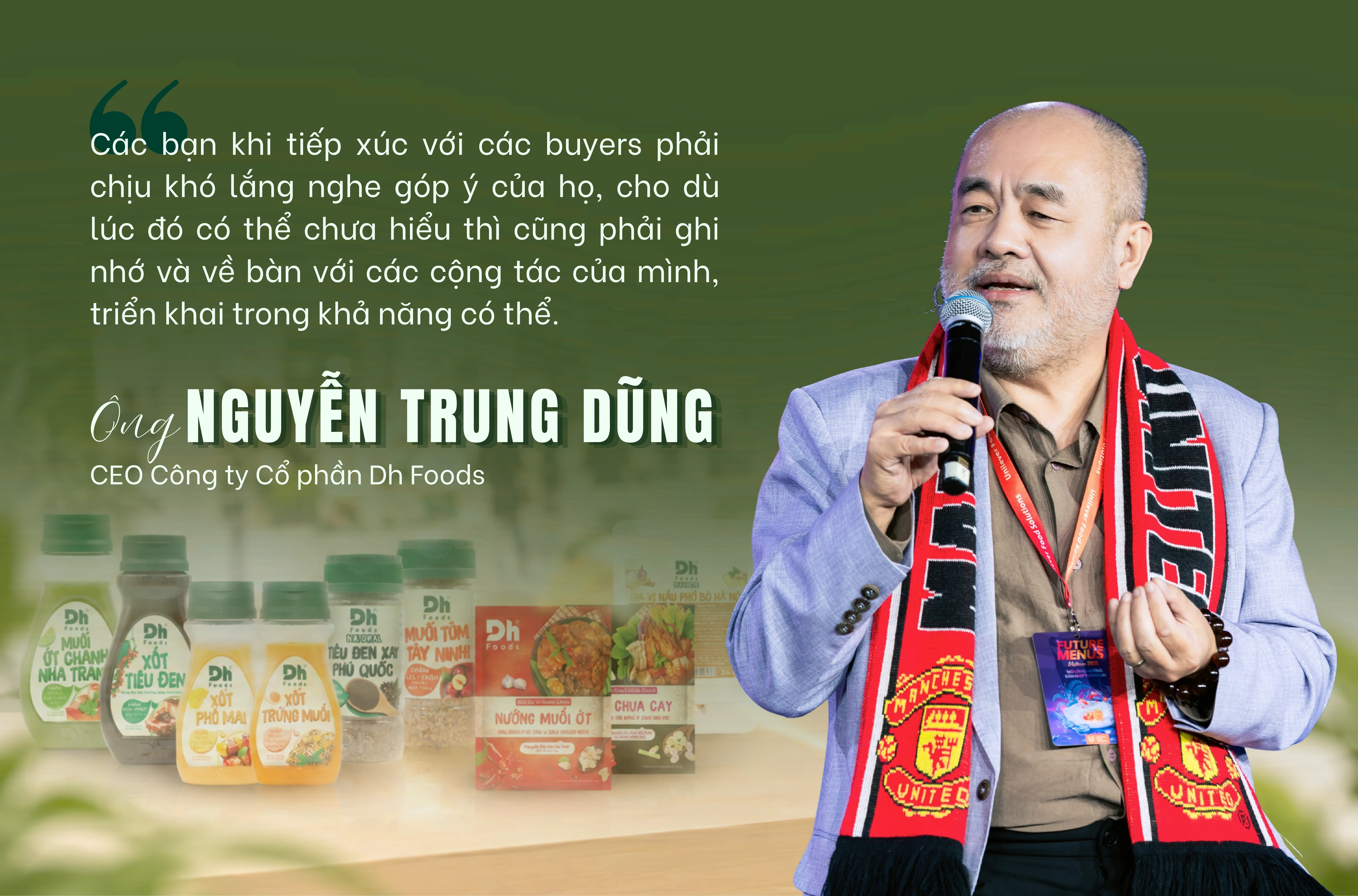
Self-production or OEM depends on each person's ability and choice, but I advise you to sign a strict contract when doing OEM, and more importantly, choose a partner who respects reputation and respects contracts. Then, both the Processing side and the Ordering side can feel secure to develop, promote each person's strengths, and certainly when sales grow, both sides will benefit.
At the same time, we always keep our commitments to customers, both domestic and international. Even when customers do not request, Dh Foods still proactively ensures that we do not sell products to their partners - something we are currently doing with Japanese and Dutch customers. Thanks to that transparency, reputation and consistency, Dh Foods is trusted by partners, and the number of orders increases steadily every year.
As you can see, although OEM has certain advantages over building your own factory, things are not always smooth sailing. Whichever option you choose – self-manufacturing or OEM – the important thing is that you need to have a clear long-term strategy, good risk control and especially choose a reputable partner, so that your startup not only survives but also develops sustainably.
.png)
Below is a comparison table between Self-production and OEM, hopefully it will help you clearly evaluate the advantages and disadvantages between Self-production and OEM to flexibly choose the model that suits your development strategy:
|
Criteria |
Self-produced |
OEM (Custom Made) |
|
Initial investment costs |
Very high: need to build factory, invest in equipment, hire technical and management team |
Low: only focus on R&D, brand building, no need for own factory from the beginning |
|
Financial risks with startups |
High: If the product is not suitable for the market, the cost of building a factory can cause great pressure |
Lower: helps test the market before investing deeply |
|
Product Customization |
Disadvantages: changing formula or packaging is time consuming and costly |
More flexible: can ask partners to adjust according to feedback from the market |
|
Quality control |
Comprehensive: control from raw materials, process to finished product |
Dependent on partners: quality may be inconsistent or adjusted when there are conflicts of interest |
|
Confidentiality of formula/patent |
Safety: products, formulas and raw material areas are internally protected |
Risk of copying: partners can manufacture their own, make different labels, and even approach your customers |
|
Conflict of interest as sales increase |
Negligible: if you manufacture yourself, you own everything |
Possible: OEM partner may “turn around”, selling similar products to your own customers |
|
Long term strategy |
Suitable for stable businesses that want to control the entire chain |
Suitable for early stages: need clear partner management strategy for sustainable development |
|
Fast scalability |
Slower: requires time to invest and upgrade the factory |
Faster: leverage excess production capacity from available units |
|
Transparency and credibility with customers |
Very high: self-managed supply chain, easy to build long-term trust |
Clear commitment required: Dh Foods maintains its reputation by not selling duplicate products to its customers' partner system. |
|
Contract and Partner Requirements |
Internal initiative: less dependent on partners |
Very important: choose your partner |


.png)